Beyond Decor: Crafting Immersive Worlds with Bespoke Wedding Infrastructure
7/2/20248 min read
Introduction to Architectural Transformation
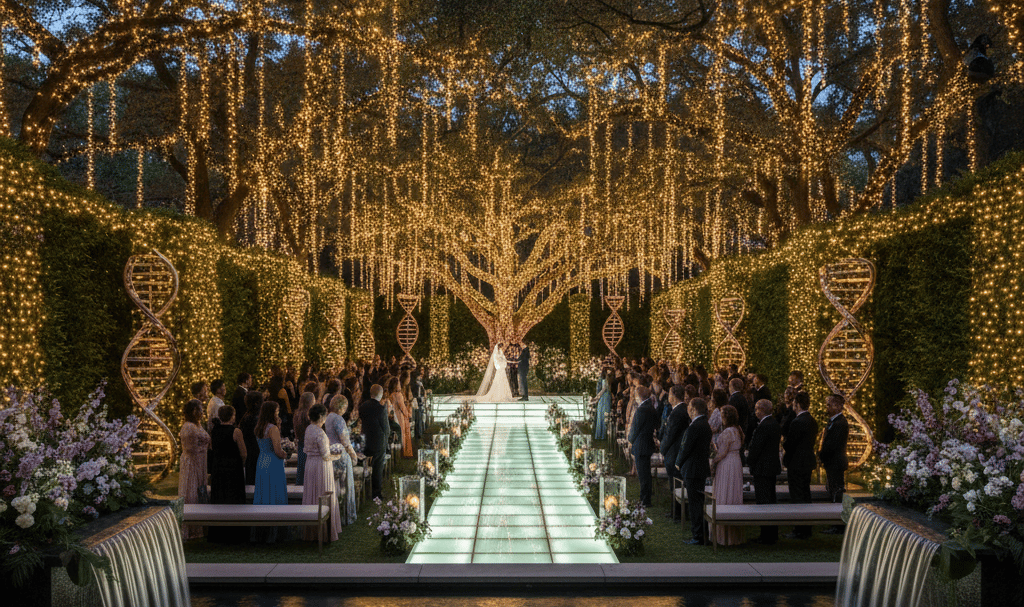
Architectural transformation in the context of weddings signifies the innovative shift from traditional decor to immersive environments that engage guests on multiple sensory levels. This concept recognizes that decor is not merely about aesthetic choices, but rather about the comprehensive experience enveloping the event. Wedding planners play a pivotal role in this transformation, skillfully merging design elements, spatial planning, and the overall narrative of the wedding.
The emergence of bespoke wedding infrastructures has revolutionized the way couples can conceptualize their special day. Rather than relying solely on standard decorations, planners collaborate to create unique environments that reflect the couple’s identity, desires, and shared memories. This approach focuses on designing spaces that foster connection, allowing guests to enjoy experiences that are personal and evocative.
Furthermore, architectural transformation is achieved through the thoughtful combination of site selection, layout adjustments, and strategic décor integration. By utilizing innovative materials, spatial designs, and lighting techniques, planners can craft engaging atmospheres that transport guests into a realm tailored specifically for the celebration. This process often involves reimagining existing venues or creating entirely new spaces that dramatically enhance the event's ambiance.
The impact of these bespoke infrastructures extends beyond visual appeal; they significantly shape the mood and emotional resonance of the celebration. When executed effectively, architectural transformation allows for a seamless flow of events, guiding guests through distinct zones within the venue that are intentionally designed to evoke particular feelings. Ultimately, this vision not only honors the couple's story but also provides an unforgettable experience for all attendees.
The Role of Custom Builds in Wedding Design
Custom-built structures play a pivotal role in modern wedding design, allowing couples to create the unique atmosphere they envision for their special day. These bespoke elements can range from seating arrangements and stages to arches and decorative installations, all tailored to meet the couple's specific preferences and requirements.
One of the most significant benefits of customized wedding infrastructure is its ability to transform ordinary venues into extraordinary experiences. For instance, a bespoke stage can serve as the focal point of the ceremony or reception, designed to reflect the couple's personal style. Whether opting for a rustic wooden altar, a glamorous fabric-draped stage, or an intricate floral installation, these tailored designs elevate the overall ambiance, creating a memorable backdrop for guests.
Seating is another area where custom builds truly shine. Standard seating can be functional but often lacks the personal touch that a wedding deserves. Custom seating solutions, such as lounge areas with curated furniture or personalized seating arrangements, not only enhance comfort but also contribute to the aesthetic of the event. By incorporating bespoke elements, couples can ensure that every detail aligns with their vision, from the color palette to the material choices.
Moreover, custom-built components can facilitate flow and movement during the event, ensuring that guests feel comfortable and engaged throughout the proceedings. This careful consideration of layout and design can significantly impact the overall guest experience. In essence, bespoke wedding infrastructure serves not only as functional elements but also as artistic statements that embody the couple's story and aspirations.
Creating Climate-Controlled Experiences with Glass Marquees
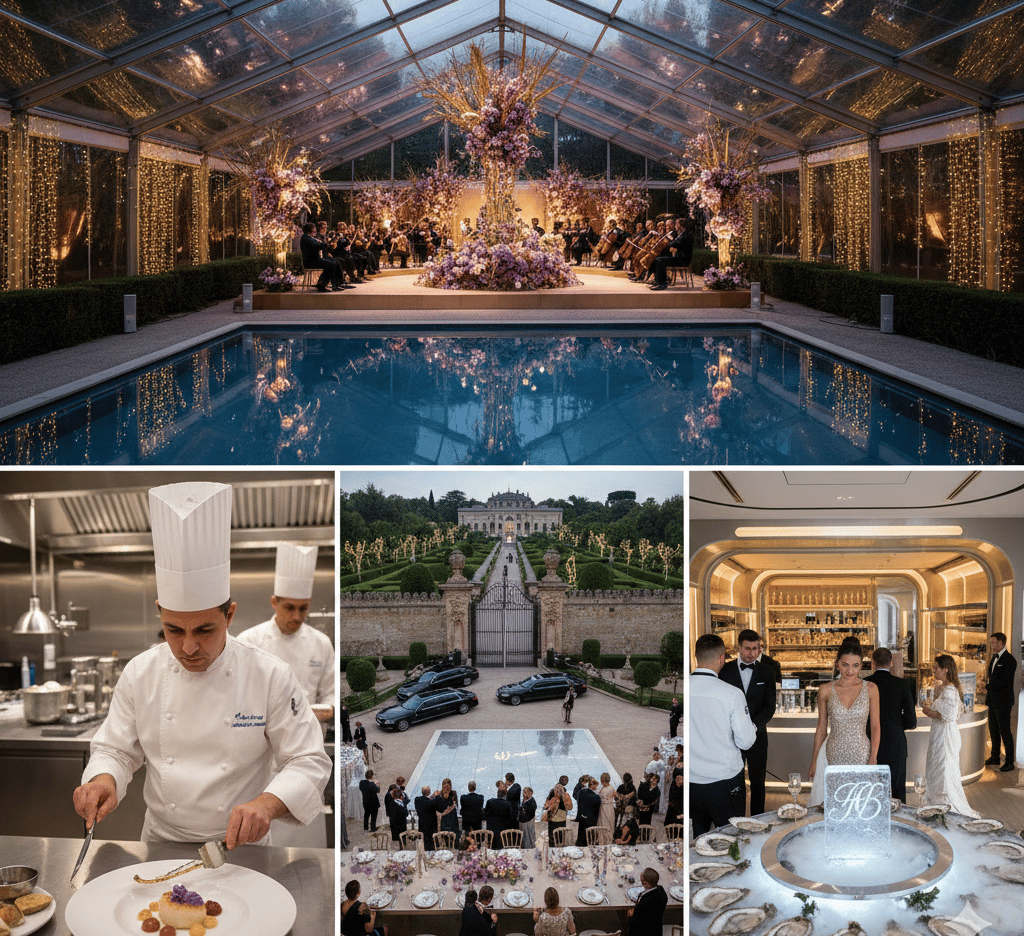
Glass marquees represent an innovative approach to hosting events, particularly weddings, offering a climate-controlled environment that elegantly blends indoor and outdoor elements. Constructed predominantly from floor-to-ceiling glass panels, these structures not only provide stunning views of the surrounding landscape but also create a sense of openness that enhances the overall aesthetic of the venue. The transparent walls allow natural light to flood the space, ensuring that the ambiance remains bright and welcoming throughout the day, while also providing a magical backdrop for evening celebrations.
The integration of advanced climate control technology within glass marquees ensures that guests remain comfortable, regardless of external weather conditions. Heating and cooling systems can be seamlessly incorporated to maintain a pleasant atmosphere, making these structures suitable for any season. This adaptability is particularly beneficial for weddings, where fluctuating temperatures can detract from the celebratory experience.
Moreover, the ambiance within glass marquees can be further enhanced through sophisticated lighting solutions and high-quality sound systems. Strategically placed lighting fixtures allow for customizable illumination to suit different phases of the event, from a soft glow for the ceremony to vibrant music-infused settings for the reception. Additionally, integrated sound systems provide the perfect backdrop for speeches, toasts, and entertainment, ensuring that every moment is clearly heard without compromising the experience of the aesthetics at play.
Custom flooring options with various textures and designs can also be introduced within these glass structures. From elegant wooden floors to chic carpeted surfaces, the choices available allow brides and grooms to personalize their wedding environment. When combined with the interior layout and decor, these elements create a bespoke wedding infrastructure that transcends traditional venues, promoting an immersive experience for all attendees. Through their innovative design and flexibility, climate-controlled glass marquees have become an appealing choice for couples seeking a unique wedding atmosphere that leaves a lasting impression.
Elevated Designs: Custom-Built Stages and Runways
In the realm of wedding planning, custom-built stages and runways serve as pivotal elements that transcend mere decoration. These infrastructures are meticulously designed to align with the unique theme of the wedding while catering to the specific spatial requirements of the event. Wedding planners focus on creating a seamless blend of aesthetics and functionality, ensuring that each structure enhances the overall ambiance while accommodating various activities that may occur during the ceremony and reception.
When designing these bespoke stages and runways, several factors come into play. Firstly, the overall theme of the wedding significantly influences the design choices, from the selection of materials to color palettes and texture. For example, a rustic-themed wedding may feature a wooden stage set amidst lush greenery, while a modern affair may opt for sleek metallic finishes and minimalist lines. This attention to detail not only assists in creating a cohesive visual experience but also plays into the emotional narrative of the occasion, reinforcing the couple's identity and shared vision.
Functionality is another critical consideration in the development of custom-built stages and runways. These structures must facilitate various ceremonial functions, such as vows, speeches, and first dances. An elevated stage allows for better visibility for guests, enhancing their overall experience and ensuring that every significant moment is shared. Additionally, considering the flow of the event is paramount; the design must allow for smooth transitions between different segments, from the ceremony to the reception. By creating dedicated spaces for all activities, planners ensure that the emotional gravity of each moment is felt by everyone present.
Ultimately, custom-built stages and runways not only symbolize important milestones in the couple's journey but also elevate the entire wedding experience for all attendees. By thoughtfully integrating elements of design and function, planners can craft environments where memories are made, cherished, and celebrated, underscoring the profound emotional impact these structures hold within the broader context of the event.
Transforming Unexpected Locations into Dream Venues
In the realm of wedding planning, the traditional venue often gives way to imaginative alternatives that convey a couple's unique love story. Unconventional locations, such as historic ruins, open fields, and urban rooftops, offer an extraordinary backdrop for weddings, creating an immersive experience that standard venues cannot replicate. However, transforming these unexpected locations into dream venues comes with its own set of challenges that require innovative architectural solutions.
For instance, historic ruins, which evoke charm and nostalgia, demand careful consideration to preserve their integrity while accommodating guests. Specific interventions, like installing temporary structures that seamlessly complement the location, can enhance accessibility without compromising the site’s historical significance. Utilizing bespoke wedding infrastructure, planners can create elegant spaces for ceremonies and receptions, ensuring comfort and safety within such enchanting settings.
Open fields present another opportunity for inventive transformation. Nature’s canvas provides vast space, yet the challenge lies in creating a cohesive environment amid the natural elements. This often requires thoughtful design of transportation routes, tent installations, and restroom facilities that blend into the surroundings. Importantly, the incorporation of lighting can magically illuminate the surroundings as evening descends, forging an enchanting ambiance conducive to late-night celebrations.
On the other hand, urban rooftops showcase the juxtaposition of nature against the urban landscape. Such venues can require extensive planning to address logistical issues, including access points for catering and guest arrival. Through clever design, bespoke infrastructure can offer elements like planters with lush greenery and seating arrangements that capitalize on the skyline views. By thoughtfully addressing these challenges, wedding planners can transform unexpected locations into extraordinary venues that encapsulate the couple's vision and leave lasting impressions on their guests.
Integration of Technology in Wedding Design
In recent years, the incorporation of modern technology into wedding design has evolved from a mere trend to a standard practice, enhancing the architectural transformation of wedding spaces. Couples now have the unique opportunity to tailor their wedding experiences through advanced tools that create immersive environments. One prominent element of this technological transformation is the use of sophisticated lighting systems. By employing programmable LED lights and intelligent lighting solutions, planners can craft dynamic atmospheres that shift in color, intensity, and pattern throughout the event. This not only emphasizes the wedding’s thematic elements but also enhances visual narratives that accompany special moments.
Another notable advancement is the integration of sound systems that go beyond traditional audio experiences. High-quality speakers, subwoofers, and surround sound configurations ensure that every note of the ceremony music and every spoken word of the vows resonates clearly within the venue. By utilizing technology to create tailored audio experiences, wedding planners can evoke the desired emotions that align with the couple's visions.
Projection mapping is also an innovative technique gaining traction in wedding design. By projecting customized visuals onto walls, ceilings, or surfaces, couples can transform ordinary spaces into stunning backdrops that tell their unique love story. This approach allows for a wide range of creative expressions, from whimsical animations to elegant floral displays that seamlessly adapt to various parts of the ceremony and reception.
Moreover, with the advent of virtual reality (VR), couples can deliver immersive experiences for guests who might not be able to attend in person. Through VR technology, guests can virtually participate in ceremonies from remote locations, ensuring that loved ones are a part of the couple's special day without geographic limitations. The integration of these technologies not only enhances the guest experience but also embodies the spirit of modern wedding design, making it a truly bespoke event tailored to individual preferences.
The Future of Wedding Architecture
As we look toward the future of wedding architecture, it becomes evident that the industry is evolving beyond traditional decor into a realm of bespoke infrastructure that truly transforms the experiences of both couples and their guests. The trend of customizing wedding venues through innovative design and tailored architectural elements reflects a growing desire for personalization. Couples are increasingly seeking unique settings that not only serve as a backdrop for their ceremonies but also enhance the emotional impact of the event.
In recent years, there has been a noticeable shift towards immersive environments that engage attendees on multiple levels. This shift includes the integration of interactive installations, elaborate lighting schemes, and customizable seating arrangements that foster closer connections among guests. Such bespoke infrastructure does not merely serve a functional purpose; it invokes a narrative that resonates with the couple's story, creating a memorable experience that lingers long after the wedding day.
Looking ahead, we can anticipate further innovation in the sphere of wedding planning, driven by advancements in technology and a continuous push for creativity. Virtual reality, for instance, may allow couples to visualize and experiment with their unique wedding space before committing to a final design. Additionally, sustainable practices in architecture are likely to gain traction, with an emphasis on eco-friendly materials and energy-efficient designs, contributing to a more environmentally conscious wedding industry.
In conclusion, the future of wedding architecture promises to be a dynamic blending of creativity, personalization, and sustainability. As wedding planners and designers embrace these trends, they will not only elevate the aesthetic appeal of weddings but also enrich the overall experience for guests, paving the way for extraordinary celebrations that reflect the uniqueness of each couple.